Luxury Safari Planning Tips: The 2026 Definitive Expert Guide
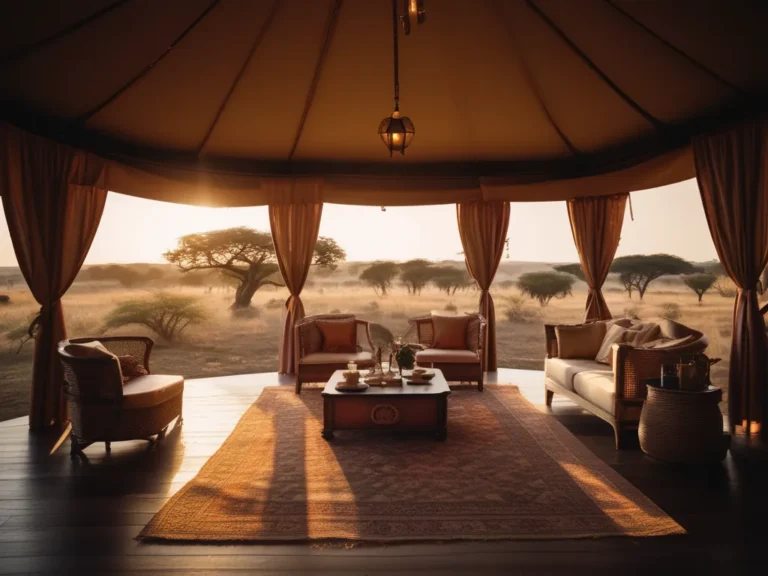
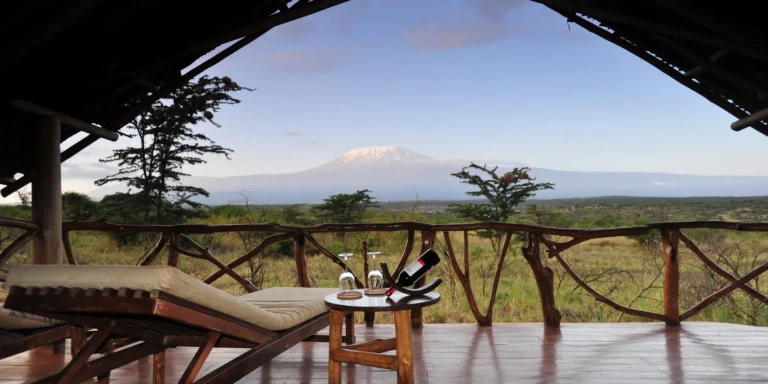
In the architecture of a high-end expedition, the transition from a standard vacation to a bespoke wildlife journey is defined by the depth of its logistical foresight. A luxury safari is not a monolithic product purchased from a brochure; it is a complex, multi-layered operation that integrates conservation science, private aviation, and high-performance hospitality. In 2026, the landscape of African travel has evolved beyond the simple “tented camp” aesthetic into a realm of extreme personalization where “luxury” is measured by the exclusivity of the land and the caliber of the guide, rather than just the thread count of the linens.
Planning such a journey requires a shift in perspective. The traveler must navigate the competing demands of wildlife cycles, seasonal weather patterns, and the rigid constraints of bush-plane transport. It is a world where being in the “wrong” camp during a “peak” month can result in crowded sightings that diminish the sense of wilderness, while being in the “right” camp during the “green season” can offer a level of intimacy and value that far exceeds its price point. To plan effectively is to understand the rhythmic pulse of the African continent—the movement of water, the migration of herds, and the subtle shifts in predator behavior.
This guide serves as a systematic deep dive into the mechanics of elite expedition design. We will move past the surface-level advice of “bring a hat” and instead analyze the “Private Concession” model, the actuarial realities of high-value insurance, and the tactical advantages of “modular” itineraries. By viewing your safari as a strategic investment in both personal experience and ecological conservation, you ensure that every dollar spent translates into a meaningful, uncrowded encounter with the natural world.
Luxury safari planning tips
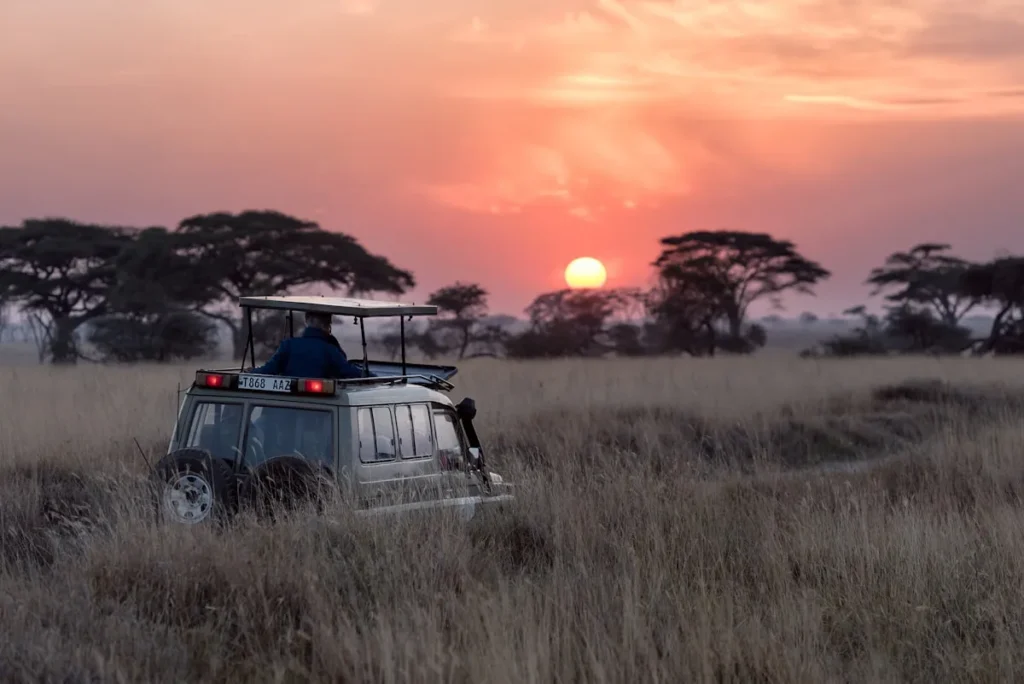
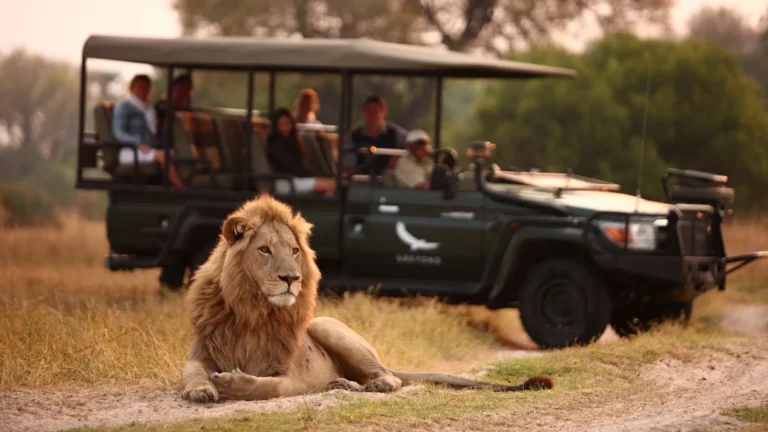
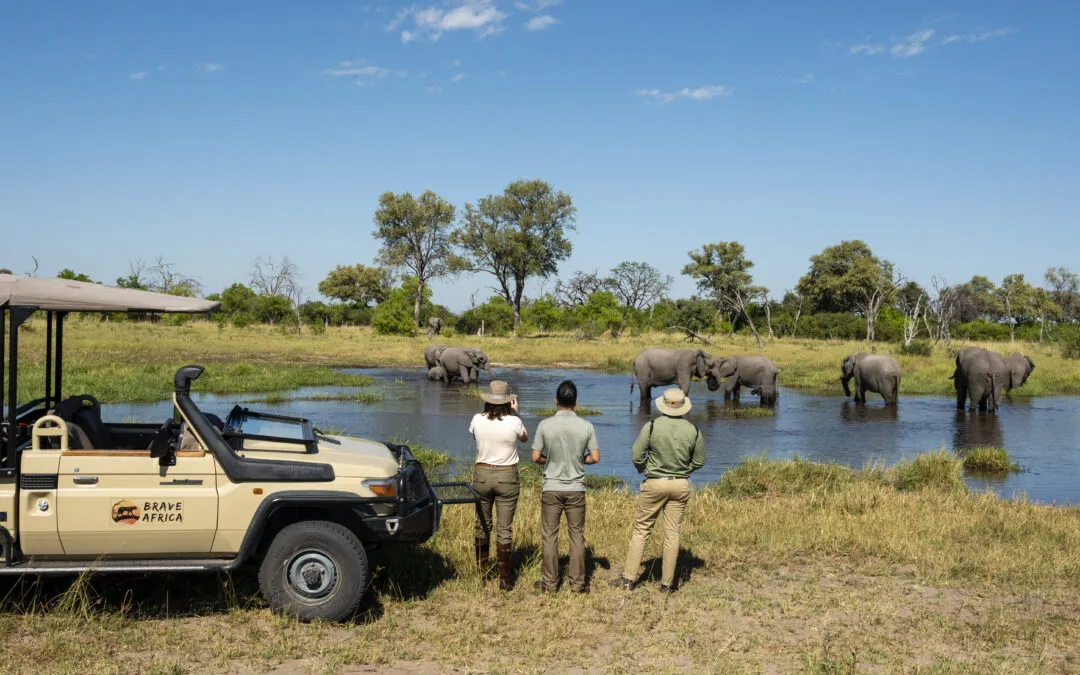
To master luxury safari planning tips, one must first internalize the “Rule of Tenure.” The most significant decision you will make is the choice between National Parks and Private Concessions. While National Parks (like the public Masai Mara or Kruger) contain spectacular wildlife, they are open to day-trippers and self-drive tourists, leading to “vehicle clusters” around big cat sightings. In contrast, luxury safaris primarily operate on private land or within exclusive-use concessions. Here, vehicle numbers are strictly capped—often to just two or three per sighting—and guides are permitted to drive off-road to follow a leopard into the brush. True luxury is the silence of a sighting shared with no one else.
A second critical tip involves the “Logistical Connective Tissue.” Many travelers over-schedule their trip, attempting to see “Africa” in ten days by hopping between three different countries. This results in “Safari Fatigue,” where more time is spent in bush-plane terminals than in the field. Effective luxury safari planning tips prioritize “Deep Immersion” over “Broad Coverage.” A four-night stay at a single, high-quality lodge allows you to build a rapport with your guide, understand the specific territories of local prides, and experience the camp’s subtle transitions from dawn to dusk.
Finally, the timing of your booking is a non-negotiable variable. In 2026, the demand for “Iconic Moments”—such as the Mara River crossings or Gorilla permits in Rwanda—has created an 18-to-24-month booking window for peak dates. If you are planning a milestone trip, “waiting for a deal” is a losing strategy. The premier camps, particularly those with only 6 to 8 suites, sell out nearly two years in advance. Managing your timeline is as important as managing your budget; early commitment is the only way to secure the “front-row seats” of the natural world.
The Conceptual Framework: Exclusivity vs. Accessibility
Modern safari planning relies on the “Density-to-Distance” mental model. This framework posits that as the distance from human infrastructure increases, wildlife density stays high while human density drops.
The “Private Guide” Multiplier
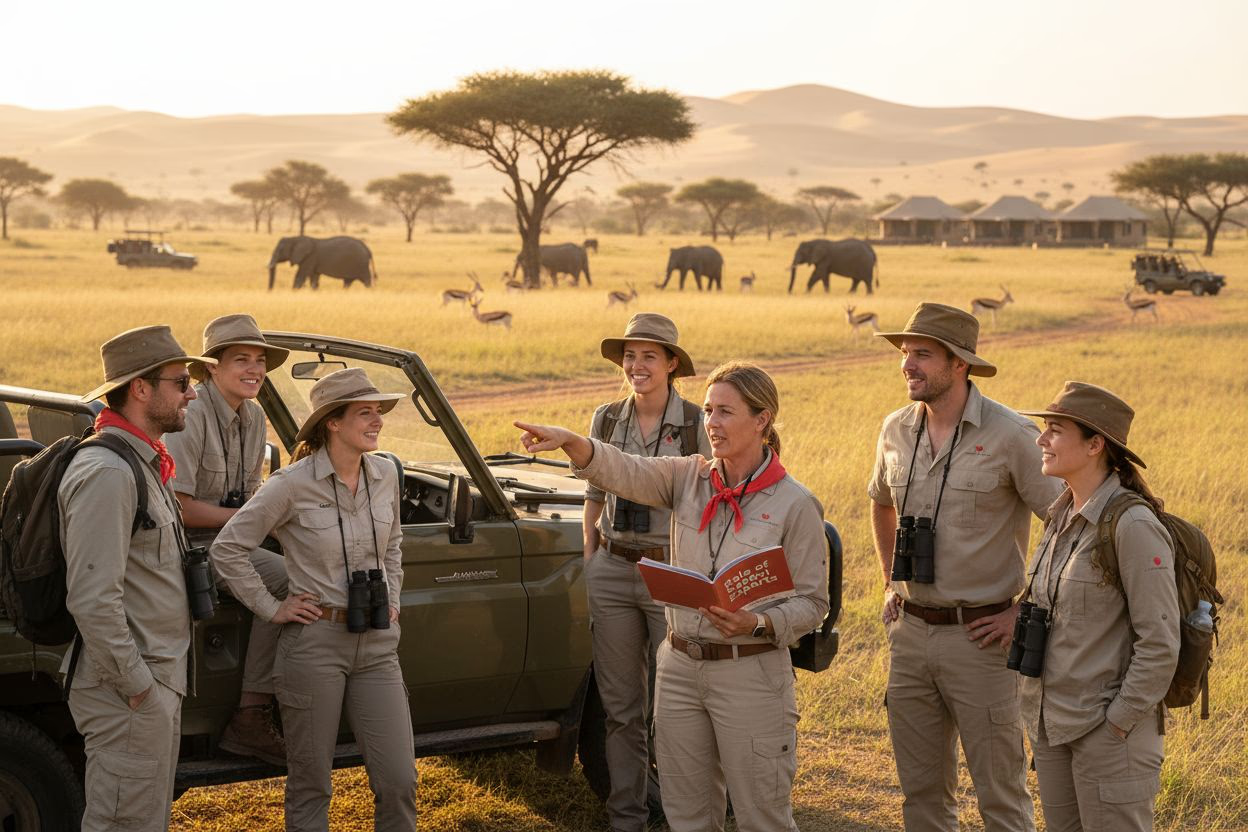
In this framework, the guide is the most important “tool” you pack. A luxury lodge is merely a base; the guide is the interpreter of the landscape. In 2026, “Expert-Led” safaris are trending, where travelers hire a private specialist guide to stay with them throughout the entire journey, across multiple camps and countries. This provides a narrative continuity that a series of different camp guides cannot replicate.
Key Categories of Safari Styles and Functional Trade-offs
| Safari Type | Primary Benefit | Trade-off | Best For |
| Private Concession | Off-roading & Night drives. | Higher nightly rate. | Photography & Big Cats. |
| Mobile Tented | Follows the Migration herds. | Shared “bucket” showers (often). | High-intensity action. |
| Water-Based | Silent Mokoro (canoe) trips. | Limited “Big Five” sightings. | Birding & Relaxation. |
| Primate Trekking | One-on-one with Great Apes. | Extreme physical exertion. | Once-in-a-lifetime goals. |
| Conservation Safari | Hands-on with researchers. | Less “pampering” focus. | Intellectual engagement. |
Detailed Real-World Scenarios: From Migrations to Primates
Scenario A: The “Serengeti Migration” Trap
A traveler books a “Luxury Migration Safari” in the Southern Serengeti for August.
-
The Failure: By August, the herds have moved to the far North (Kogatende). The traveler is in a luxury lodge but sees only “resident” game, missing the river crossings.
-
The Prevention: Luxury planning requires “Adaptive Mobile Camps” or split-stay itineraries that track the herds’ historical locations for that specific week.
Scenario B: The “Luggage Weight” Conflict
A photographer brings 40 lbs of gear for a three-camp circuit in Botswana.
-
The Failure: The bush plane has a 33 lb (15 kg) total limit, including carry-on. The gear is refused at the airstrip.
-
The Prevention: Pre-booking a “Freight Seat” (an extra seat on the plane for luggage) or utilizing lodge-provided “Professional Camera Kits” to reduce the weight of personal gear.
Planning, Cost, and Resource Dynamics: The 2026 Outlook
In 2026, the “Safari Inflation” rate has stabilized, but the “Sustainability Levy” has increased.
| Tier | Price (Per Person/Night) | Inclusions |
| Classic Luxury | $1,200 – $1,800 | All meals, standard drinks, sand hared game drives. |
| Ultra-Luxe | $2,500 – $4,500 | Private vehicle, premium wines, private butler. |
| Exclusive Use | $10,000 – $25,000 | Entire villa/camp, private chef, private pilot. |
Risk Landscape: Managing the Unpredictable
-
Climatic Variability: 2026 has seen erratic rainfall patterns. “Dry Season” no longer guarantees dry roads.
-
Political Fluidity: While safari hubs (Botswana, Namibia) are stable, transit hubs can shift. A “Buffer Night” in a hub city (like Johannesburg or Nairobi) is no longer a luxury—it is a risk-mitigation necessity for flight connections.
-
Medical Extraction: The “hidden” cost of a $50,000 safari is the $1,000 premium for high-limit medical evacuation. Without it, a simple appendicitis in the Delta becomes a logistical and financial catastrophe.
Measurement: Evaluating the “Safari ROI”
How do you measure the success of a luxury trip?
-
Quantitative Signal: Number of unique species identified (using a provided field list).
-
Qualitative Signal: “Time at Sighting.” Did you spend 40 minutes watching a leopard hunt, or were you rushed by other vehicles?
-
Ecological Impact: Calculation of the “Conservation Levy” paid. In many 2026 lodges, this is now transparently listed on the invoice, showing exactly how many acres of habitat your stay protected.
Common Misconceptions and Strategic Fallacies
-
Myth: “The Dry Season is the only time to go.” Correction: The “Green Season” (November–April) offers the best light for photography, newborn animals, and up to 40% lower rates.
-
Myth: “I can save money by booking direct.” Correction: Lodges rarely undercut their agents. A specialist agent provides “Connective Tissue” (flights, transfers) that you cannot easily manage alone in remote regions.
-
Myth: “Luxury means I won’t see any bugs.” Correction: You are in the wild. Luxury is a high-quality mosquito net and a professional turndown service, not a sterile environment.
Conclusion: The Art of the Intentional Journey
The ultimate success of a safari hinges on the equilibrium between comfort and immersion. Luxury safari planning tips are ultimately about removing the friction of travel so that the raw power of the African wilderness can take center stage. Whether it is the strategic choice of a private concession over a national park, or the discipline of a three-night minimum stay, every decision should be aimed at creating space for the “unscripted moment.” In 2026, the most precious commodity is not the gold-plated faucet in your tent, but the four hours spent in silence as a lioness moves her cubs across a sun-drenched plain.